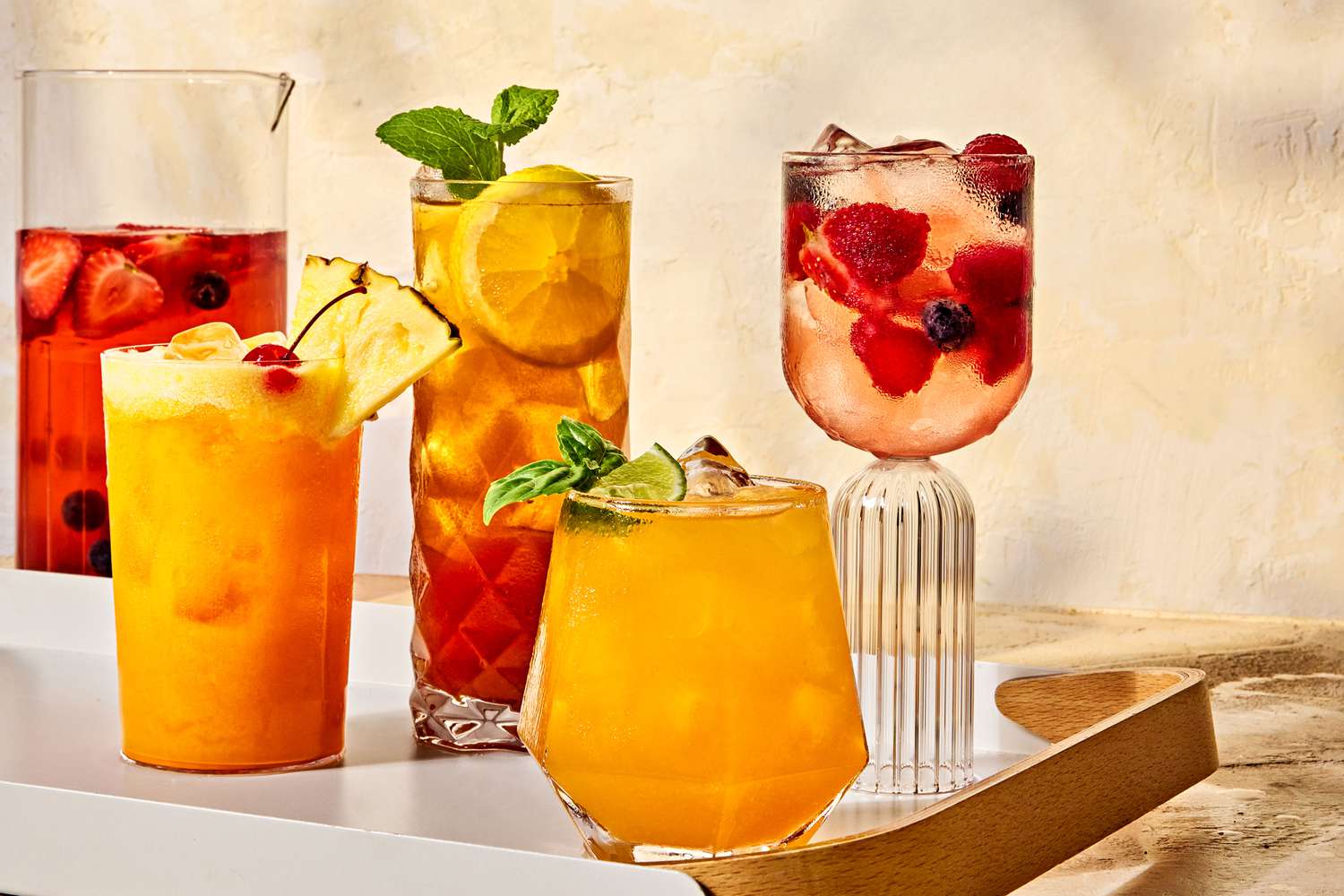
Mocktails grew 233 percent on US restaurant menus over the last four years. Thirty seven percent of American consumers now drink a mocktail at least once a week. Only about twenty percent of restaurants actually offer one.
That gap is the most underexploited margin lever in the restaurant industry right now.
This is not a trend post. It's a numbers post. Beverages have quietly become the highest margin, fastest moving, most photogenic part of the modern restaurant. And the operators winning this shift are the ones who stopped treating drinks as a category to fill and started running them as the profit engine of the building.
What the data actually says
Three numbers reframe the conversation.
Category margin. A well run beverage program (cocktails, wine, premium non alcoholic) lands at 75 to 80 percent gross margin. A typical food program runs 28 to 35 percent food cost, which leaves 65 to 72 percent gross margin. The category gap is real, and it widens every time a drink replaces an appetizer in the check mix. For struggling fine dining operators, the gap is even more stark: industry analysis suggests the restaurants stuck at 1 to 2 percent net margin almost always have an underperforming bar program relative to their food cost.
Supply side momentum. SpotOn's 2026 analysis of 1,000+ independent restaurants found a 47 percent year over year jump in non alcoholic beverage menu additions through January 2026. That's roughly 179 net new beverage additions per 100 restaurants over thirteen months, concentrated in mocktails, zero proof cocktails, and functional drinks (adaptogens, electrolytes, protein additions).
Consumer pull. Datassential reports 233 percent menu growth for mocktails over four years, and 37 percent of consumers ordering one at least weekly. The supply side hasn't moved with the demand. Roughly one in five operators currently offer a mocktail. Most of those offer one or two items, not a program.
That combination of high consumer pull, high margin, low competitive saturation, and low operational friction is rare in restaurants. It almost never appears in one category at one time.
Why beverages are winning right now
Four forces are stacked underneath the numbers.
Premiumization. Cold brew, refreshers, premium teas, dirty sodas, and zero proof cocktails are not commodities. They carry a price tag because guests trade up for craft, ritual, and storytelling. The same guest who balks at a $34 entrée will pay $12 for a layered mocktail with elderflower and ginger.
Photogenic as a strategy. Drinks are the easiest item on a menu to make camera ready. Garnish, glassware, color, and ice format do most of the work. Every well executed drink arrives at the table and leaves on social media. That's organic marketing the operator never has to fund.
Customization at speed. The dirty soda category started as a social media phenomenon and was on national QSR menus within months. Beverages can absorb customization (flavor add ins, syrup pumps, milk swaps, garnish variations) without slowing the kitchen.
Wellness without sacrifice. Functional ingredients (adaptogens, electrolytes, gut health botanicals) let operators serve health conscious guests without rebuilding the kitchen. A protein refresher or an electrolyte mocktail is a $7 to $10 ticket add with zero impact on food prep time.
Where operators are leaving money on the table
Three patterns show up over and over in beverage programs that underperform.
The "one token mocktail" problem. Most operators who offer a mocktail offer exactly one, buried at the bottom of the cocktail page. That signals "we don't really do this" to the guest most likely to order it. The 37 percent of weekly mocktail drinkers want a program, not a courtesy item.
The static menu trap. Beverages turn over fast. A drink that goes viral in March is dead by July. Operators printing menus quarterly are perpetually a season behind the cultural cycle. By the time the new menu is on the table, the trend has already moved.
Missing the daypart. Coffee, refreshers, premium teas, and mocktails earn revenue across breakfast, lunch, mid afternoon, and evening. Most beverage menus are designed for the dinner occasion only. That leaves three high traffic dayparts under monetized.
The 2026 beverage menu playbook
1. Build a real non alcoholic program, not a courtesy item
Three to six purpose built non alcoholic drinks, designed with the same care as the cocktail list, priced in the $8 to $12 range. Mocktails, zero proof spirits cocktails, premium teas, and at least one functional option. Put them on their own section of the menu, not under the cocktails as an afterthought.
2. Engineer one or two signature drinks per season for the camera
Glassware, ice format, color contrast, and garnish do more for a beverage's reach than any food photograph. Pick one or two signature drinks per season designed to be photographed. Specify the glassware. Train the bar to plate them the same way every time. The drink does the marketing.
3. Stretch every beverage across dayparts
A premium iced tea sells at 10 a.m., 2 p.m., and 7 p.m. with different positioning each time. Same SKU, three revenue lines. Build your beverage menu around items that work across at least two dayparts, and merchandise them differently depending on the time of day.
4. Run the menu as software, not as stationery
The single biggest constraint on a beverage program in 2026 is the menu itself. The cycle from "we should test a strawberry matcha refresher" to "it's on every table in every location" should be measured in hours, not quarters. A digital menu platform like Menuthere lets operators swap items, change pricing, and push new drinks across all locations in the time it takes to photograph the drink. That removes the reprint cost, the staff confusion, and the lag between the kitchen approving a recipe and guests being able to order it.
5. Price for the margin, not for the competitor
Beverage pricing is the most underdone art in restaurant menu engineering. Most operators benchmark drink prices against the place across the street. The 75 to 80 percent margin category gives you room to test up. Run two prices on the same drink across locations or weeks. The price ceiling for a well merchandised premium drink is almost always higher than operators believe.
6. Track which drinks earn their menu spot
If you cannot tell which drink sells, you cannot run a real program. Track sales by item by daypart. Cut the bottom quintile every season. Promote the top quintile. A beverage menu that doesn't rotate based on data is a beverage menu losing to one that does.
The bottom line
The category math is unambiguous. Beverages run at the highest gross margin in the restaurant, the consumer demand is documented in double digit growth, and operator supply has not caught up. The operators capturing this shift are running beverage programs the way software companies run their product: weekly updates, small price tests, data driven cuts and promotions.
The constraint is not creativity. The recipes exist. The demand is documented. The category math is on the operator's side.
The constraint is menu speed. A great beverage idea trapped in a paper menu printed last quarter generates zero revenue.
Run your beverage program like the profit center it is.
Menuthere is the digital menu platform that lets operators ship new drinks, adjust pricing, and refresh seasonal sections across every location in minutes, with no reprint cycles and no staff confusion.
Sources: Datassential 2026 menu data, SpotOn Independent Restaurant Beverage Report (January 2026), Restaurant Dive 2026 beverage trends coverage, Level CFO Restaurant Profit Margins by Type (2026).