
The Menu Is Not the Starting Point Anymore: What Starbucks' ChatGPT App Means for Every Restaurant Operator
Starbucks just let customers order by mood through ChatGPT. Here is why the static menu is losing its job and how smart operators are rebuilding menu discovery for 2026.
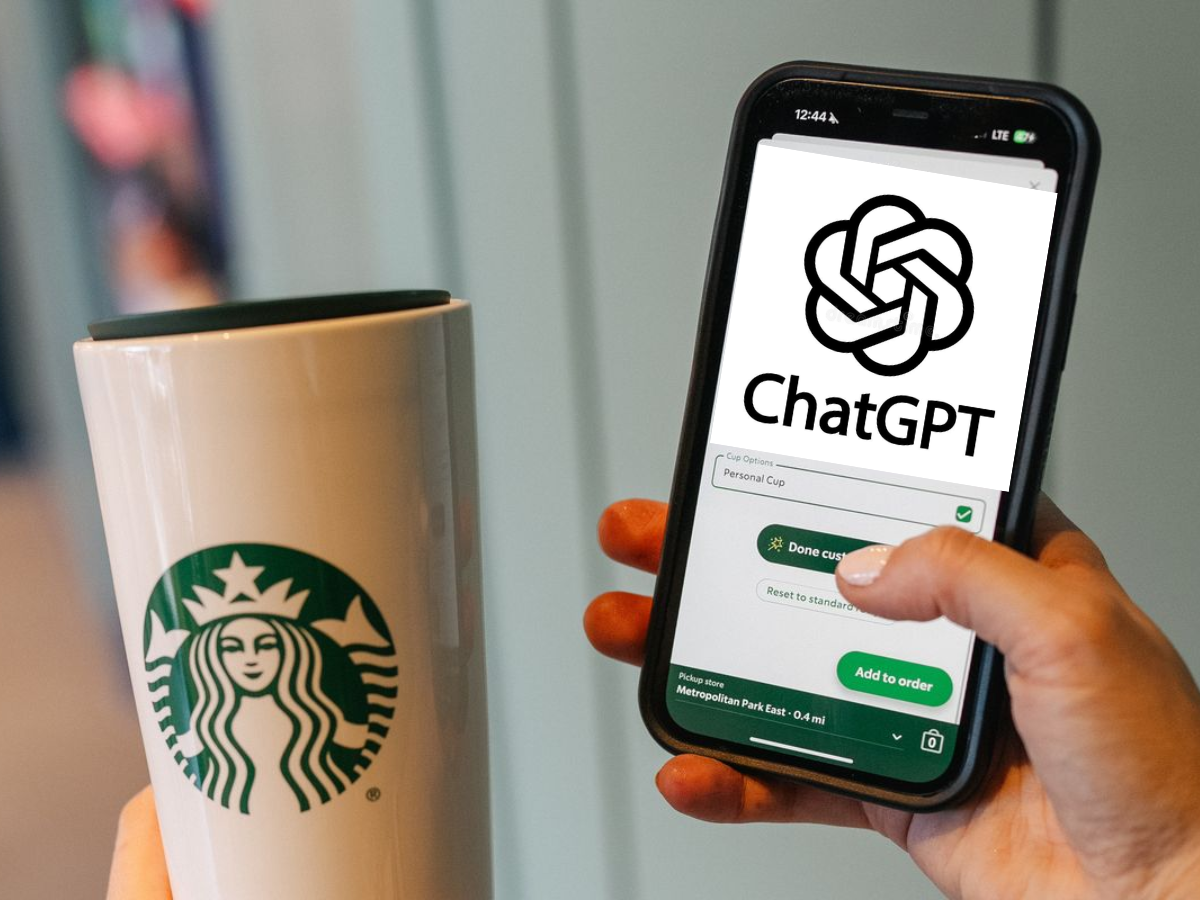
On April 15, 2026, Starbucks launched a beta app inside ChatGPT that lets a customer type a feeling instead of a menu item. The example prompts in the official announcement suggest things like asking for something bright to start the morning, or a less sweet afternoon boost. A customer can also upload a selfie of their outfit or the current weather. The AI matches the mood to a drink, the drink gets customized, and checkout happens inside the Starbucks app.
The product is interesting. The quote from Paul Riedel, Starbucks' Senior Vice President of Digital and Loyalty, is the real story.
"Customers aren't always starting with a menu. They're starting with a feeling."
That single sentence will outlive the beta launch. It is the cleanest articulation yet of a shift that has been forming across restaurants for three years. The menu is quietly losing its job as the primary surface for discovery. What replaces it is not a prettier menu. It is a different relationship between the guest and the catalog.
If you run a restaurant, this matters more than it looks.
The shift is showing up everywhere, not just at Starbucks
Look past the ChatGPT headline and the same pattern is visible across the industry. Tastewise's 2026 foodservice forecast reports that consumer interest in build your own formats is up 35 percent year over year, with diners prioritizing flavor depth, customization, and solo dining occasions. Dishes with that kind of flexibility, like Szechuan malatang where guests weigh their own bowl, are six times more associated with personalization than an average savory meal.
McKinsey's January 2026 consumer report on US restaurants flagged personalization as the next frontier for operators, specifically pointing to AI as the mechanism that makes it scalable. The National Restaurant Association's 2026 State of the Industry report forecasts 1.55 trillion dollars in industry sales and notes that operators are planning to invest more in technology that strengthens guest connections, not just efficiency.
The consumer side backs it up. Roughly 73 percent of diners say restaurant technology already improves their experience. Among younger diners, 77 percent order delivery weekly and expect the same instant, personalized feel they get from Spotify, Netflix, and TikTok.
These are not four separate stories. They are one story told four ways. The guest no longer opens a menu and reads it top to bottom. The guest opens an app, a QR code, or a chat window and expects the catalog to meet them where they are.
Why this is happening now
Four forces are compounding at the same time.
First, the ambient expectation. Every other surface in a customer's life has trained them to expect a system that knows what they probably want. When Spotify picks a song and Netflix picks a show, a six page PDF menu feels like homework.
Second, the weight loss drug and functional food era. Dietary filters are no longer a niche request. QSR Web reports that in 2026, pizza chains are actively pivoting to mini meals and high protein, fiber rich crusts to serve a surge of GLP 1 users. A laminated menu cannot flex around that. A filterable digital menu can.
Third, the labor equation. Table service used to absorb a lot of the discovery work. A good server would ask about the occasion, steer guests toward the better margin item, flag the dietary conflict. Labor costs and thinner floors mean less of that is happening. The menu itself has to do more of the work the server used to do.
Fourth, AI finally got cheap enough to matter. Matching a mood or a vibe to a dish used to be the kind of thing only a Starbucks could afford to build. In 2026, the underlying models are commodity. The operators who move first are not the ones with the biggest tech budgets. They are the ones with the cleanest menu data.
Where most operators are still stuck
Walk through an average mid market restaurant's digital presence and the lag is obvious.
The QR code leads to a PDF of the printed menu, not a real menu surface. The lunch menu and the dinner menu look identical because the POS has one menu configured. Higher margin items are buried in the middle of a 60 line list because nothing is merchandised. Photos, if they exist, are three years old. There is no filter for gluten, for vegetarian, for high protein, for "something light." There is no sense of what the restaurant thinks the guest should try.
In that environment, the guest has already done the work themselves before they walked in. They searched Instagram for what the place is known for. They asked ChatGPT for recommendations. They picked from the three items that showed up in reviews. The menu is almost irrelevant to the decision.
The menu discovery playbook for 2026
1. Treat your menu as structured data, not a document
A PDF is a dead end. A digital menu that stores every item with its attributes (diet, mood, daypart, margin, prep time, modifiers) is the only format that can power discovery, filtering, and eventually any AI layer that sits on top. This is the prerequisite for every move after it.
2. Tag every item for the filters that actually matter
Diet tags are table stakes. The operators pulling ahead are also tagging by occasion (solo, date, group), by mood (indulgent, light, comforting), by daypart, and by protein density. Once the data is there, you can merchandise against any of them without rewriting the menu.
3. Merchandise the margin, not the alphabet
Most menus are still sorted by category and listed in whatever order they were entered. Digital surfaces let you reorder based on the items you actually want to sell. Place the two highest contribution items at the top of the category. Lead with the photo, not the description. Use position, photo, and modifier flow to do the work a menu designer used to do with paper.
4. Let the menu shift with the daypart
This is where most printed menus fail and where a digital menu pays for itself. Morning behavior, lunch behavior, and late night behavior are three different businesses. The catalog should reflect that without a staff member physically swapping anything. This is one of the specific problems Menuthere was built for. Different items, different prices, different merchandising per daypart, from one control panel.
5. Invest in one honest photo per item
AI recommendations and filter based discovery only work if the final step, the "yes, that one," has a visual to lock in the decision. A single brightly lit, accurate photo per item is still the highest return investment on a digital menu. Stock images and stale photos undercut every other move on this list.
6. Watch what customers search, tap, and skip
The single biggest advantage a digital menu has over a printed one is that it generates data every time a guest uses it. Which filters are people setting. Which items they tap and then abandon. Which dishes never get expanded. That is the feedback loop that used to require a mystery shopper. Read it weekly.
The bottom line
Starbucks did not invent mood based ordering. They gave it a public press release and a named executive quote. The underlying shift, guests starting with a feeling rather than a menu, has been showing up in build your own formats, in dietary filters, in the rise of AI recommendations, in the behavior of every diner under 35, for three years.
The brands that capture the shift will be the ones whose menu systems can actually respond. The ones that do not will keep handing out laminated sheets and PDF attachments to guests who already asked ChatGPT what to eat on the way over.
The good news for independent and mid market operators is that the technology gap has closed. You do not need a Starbucks budget to build a menu that meets guests where they are. You need a digital menu that treats your catalog like data and your guests like people making a decision in a specific moment.
See what a modern digital menu actually looks like.
Menuthere turns your menu into a dynamic, filterable, daypart aware surface that guests navigate the way they actually think.
Sources: Starbucks newsroom (April 2026), Axios, eWeek, The Mirror US, Tastewise Foodservice Forecast 2026, McKinsey Consumer Behavior Hub (January 2026), National Restaurant Association 2026 State of the Industry, QSR Web, Modern Restaurant Management 2026 Playbook.