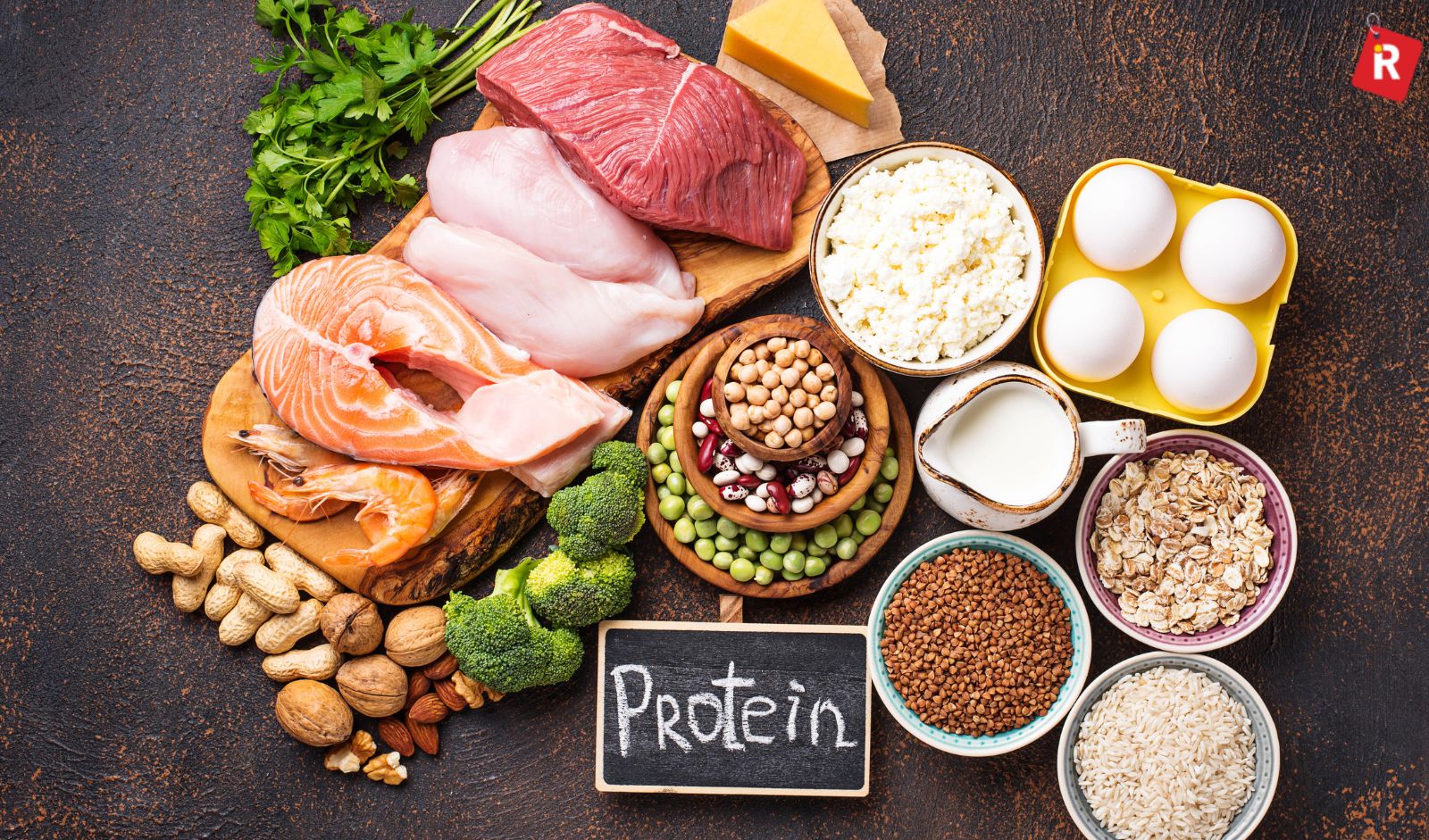
In December 2025, Chipotle launched a dedicated High Protein Menu in the United States. The headline item, the High Protein Cup, delivers 32 grams of protein per 4-ounce serving and explicitly responds to what the company called "growing demand for protein-forward options across more occasions." Subway followed with Protein Pockets carrying 20+ grams. The Coffee Bean and Tea Leaf added Protein Lattes. Caribou Coffee built two new Breakfast Bowls around protein content. Smoothie King had moved first in 2024 with an entire GLP-1 menu segment.
These are not isolated launches. They are the early structural response to a customer demand shift that the National Restaurant Association, Datassential, Kantar, McKinsey, and the new US dietary guidelines have all flagged as the defining nutrition trend of 2026.
Three forces converged. GLP-1 drugs like Wegovy and Zepbound have moved from diabetes treatment to mainstream weight-loss tool, suppressing appetites and pushing users toward smaller, protein-dense meals. The new US dietary guidelines lifted the protein recommendation from 0.8 to 1.2-1.6 grams per kg of body weight. And the cultural backlash against ultra-processed plant-based meat has rebuilt consumer interest in honest, whole-food protein. Datassential reports 37% of consumers are increasing animal protein consumption. TikTokShop sees 57% YoY revenue growth around the keyword "protein" and 150% growth in views.
The trend has fully landed in Indian search behavior too. "High protein meal," "protein add-on," "high protein veg" are climbing as restaurant search terms. Gym-goers, GLP-1 users, weight-loss customers, and a growing health-conscious middle class are all asking the same question when they look at a menu: how much protein is in this?
Here is the problem for most Indian restaurants. The menu does not answer.
Why the Indian menu format hides protein
The standard Indian restaurant menu is organized by category in a way that made sense in 2005 and makes less sense every year. Starters. Soups. Vegetable curries. Paneer dishes. Chicken dishes. Mutton dishes. Biryanis. Breads. Rice. Dals. Desserts.
This format is built around the cooking style and the ingredient hierarchy, not around how the customer is making decisions. A customer looking for a high-protein meal has to mentally scan across five or six categories to figure out what their options are. Paneer butter masala is in the paneer section, butter chicken is in the chicken section, mutton rogan josh is in the mutton section, and the customer has no easy way to compare the protein content of any of them. The menu does not tell them.
Worse, the menu architecture itself signals that the meal is built around a curry plus a bread or rice. Two parathas and a paneer bhurji. Three rotis and a dal makhani. The protein is the side, not the center. For a customer who wants a meal where protein is the center, the menu is actively working against them.
The chains that launched protein menus in 2025 and 2026 understood something Indian restaurants are still figuring out: customers are no longer scanning the menu for dishes. They are scanning for outcomes. A 35g protein meal. A high-protein lunch. A post-workout snack with 20g protein. The menu surface that surfaces those outcomes wins. The menu surface that hides them under traditional category headers loses.
What the protein-forward customer actually wants
Three customer profiles are converging on the same demand signal.
The fitness-driven customer (gym-goers, athletes, bodybuilders) has been protein-tracking for years but was a niche audience. This audience is now mainstream because of three forces: more Indians are exercising regularly, social media has normalized macro tracking, and protein supplements have become a ₹3000 crore market that primes consumers to think in protein grams.
The GLP-1 and weight-loss customer is appetite-suppressed and looking for high-satiety, high-protein, smaller-portion meals. India's GLP-1 market is still early but growing fast as Wegovy approvals expand and prices drop. These customers cannot eat a full thali. They want a 200g chicken portion with a small side, not the other way around.
The health-conscious middle class is the largest of the three. This is the customer who is not on GLP-1, not training for a marathon, and not tracking macros, but is broadly trying to eat better. They have read articles about protein. They want grilled over fried. They want chicken or paneer over carbs. They are price-sensitive but quality-aware. They make up the bulk of the lunch and weeknight dinner traffic for most urban restaurants.
All three want the same thing: a menu that tells them what their protein options are clearly, lists protein content in grams, and lets them build a meal around protein instead of around the bread basket.
How to restructure your menu around protein
This is a digital menu restructuring exercise. None of it is hard to do once the menu lives on a surface you can edit. All of it is impossible on a printed menu.
1. Add a dedicated high-protein category
This is the single highest-impact change. Add a category called "High Protein," "Protein-Forward," or "Power Plates." Pull existing dishes that already qualify (chicken tikka, paneer tikka, grilled fish, egg bhurji, dal makhani in larger portions) and put them there too. The dish is in the regular category and the high-protein category. The customer who is scanning for protein finds it in seconds.
Set a clear inclusion criterion: the dish must deliver 25g+ of protein per portion. Print the protein number directly in the description. "Tandoori Chicken Tikka, 200g, 38g protein." The number does the marketing.
2. Build a "Build Your Own Protein Bowl" category
This is the format that is winning globally and is barely present on Indian menus. The customer picks a base (rice, quinoa, salad), a protein (chicken, paneer, fish, tofu, double protein), a sauce, and toppings. Each protein option lists its grams. The customer assembles a meal that hits their target.
This format has three structural advantages. The protein is the center of the meal by design. The customer feels in control. The kitchen runs on a smaller modular SKU set, which lowers operational complexity. The chains using this format (Sweetgreen, Cava, Chipotle in the US, and increasingly Indian chains like FreshMenu and EatFit) report higher average order values and higher repeat rates than traditional menu formats.
3. Add protein add-ons across every applicable item
Every salad, every bowl, every pasta, every main on the menu should offer a protein add-on. Extra paneer (15g protein, +₹80). Add grilled chicken (25g protein, +₹120). Boiled egg whites (12g protein, +₹50). Two changes happen at once: customers who want more protein get a clear way to upgrade, and the average order value climbs without raising base prices.
This is the move Chipotle's executive specifically called out: customers were already "hacking" their orders by adding plain protein on the side. The chain formalized the behavior. Indian restaurants whose customers are doing this informally are leaving the upsell on the table.
4. Surface protein content in every description
Even on dishes that are not in the high-protein category, list the protein content. "Dal Makhani, slow-cooked overnight, 18g protein per portion." This serves customers who care, signals to all customers that the restaurant takes nutrition seriously, and turns the menu into a product surface that does work the menu used to outsource to the customer's guesswork.
5. Add a "Smaller Plates" or "Protein Snacks" section
GLP-1 users and the snacking customer want a 250-calorie, 20g protein option, not a thali. A Protein Snacks section with grilled chicken cubes, boiled eggs, paneer skewers, sprouts chaat with extra paneer, and a tandoori fish tikka half-portion serves this customer. It is also the highest-margin section on the menu because portion sizes are small and ingredient costs are low.
6. Use photography and tags to signal protein at a glance
Visual tags do work that text descriptions cannot. A green badge that says "30g+ Protein" next to qualifying items. A protein meter icon that shows low, medium, high. Photos of grilled, charred, golden-brown protein items shot prominently. The customer scrolling fast on mobile picks up the protein signal in milliseconds.
The competitive window is narrow
Here is what is going to happen over the next 18 months. The largest Indian chains (Burger King India, Pizza Hut, Domino's, KFC, McDonald's India, BBQ Nation, Behrouz, EatFit) will roll out protein-forward menu sections with grams-listed descriptions, building on what their global parent companies are already doing. The fitness-app-aligned brands (HealthifyMe partners, EatFit, FitPass restaurants) will lead with this earliest. By late 2026, every customer searching for "high protein meal near me" will have multiple chain options that have done the menu work.
Independent restaurants and regional chains that have not done the work by then will be invisible to the protein-search customer. Not because their food is worse, but because their menu does not surface the protein information the customer is looking for.
The window is open right now. The menu work is not difficult. The customer demand is documented. The trend is structural, not seasonal. The bottleneck is, as usual, the menu surface itself. Restaurants on printed menus or static PDFs cannot make these changes quickly. Restaurants on a digital menu surface can restructure their categories, add protein add-ons, surface gram counts, and ship a "Build Your Protein Bowl" section in a single afternoon.
This is where Menuthere fits. Menuthere is built for exactly this kind of menu restructuring: a single digital menu that runs across QR table ordering, takeaway, and direct delivery, with full control over categories, modifier groups, item-level metadata (like protein grams), visual tags, and instant updates. Operators using it for protein-forward restructuring can launch a new category, photograph the items, and have it live by dinner service.
The bottom line
Protein is not a fad. It is a structural demand shift driven by GLP-1 adoption, new dietary guidelines, the post-plant-based-meat backlash, and a decade of fitness culture going mainstream. Chipotle, Subway, Caribou, and Smoothie King have already restructured their menus around it. Indian chains will follow within the year. Independent and regional Indian restaurants that move now have an 18-month window to capture the protein-search customer before the menu real estate fills up.
The menu surface that surfaces protein wins. The menu surface that hides it under traditional categories loses. The work is not hard. The data is clear. The only question is whether your menu can be restructured in a week, or whether it has to wait for the next print run.
Want a menu surface that can run a protein-forward restructure in days, not months?
Menuthere gives you a single digital menu across QR tables, takeaway, and delivery, with the categories, modifier groups, visual tags, and instant updates you need to launch a high-protein menu, build-your-own bowls, and protein add-ons quickly.
Sources: Restaurant Dive on NRA's What's Hot 2026 Culinary Forecast (November 2025), NBC News on GLP-1 drugs reshaping chain menus (January 2026), Restaurant Dive 2026 trends outlook citing Joe Pawlak of Technomic (January 2026), Catersource on 2026 food trends citing Datassential and Rubix Foods (March 2026), IFT Top 10 Food Trends (March 2026), Kantar and MenuData 2026 restaurant trends report (March 2026), Table Magazine on 2026 quality protein trend (March 2026).