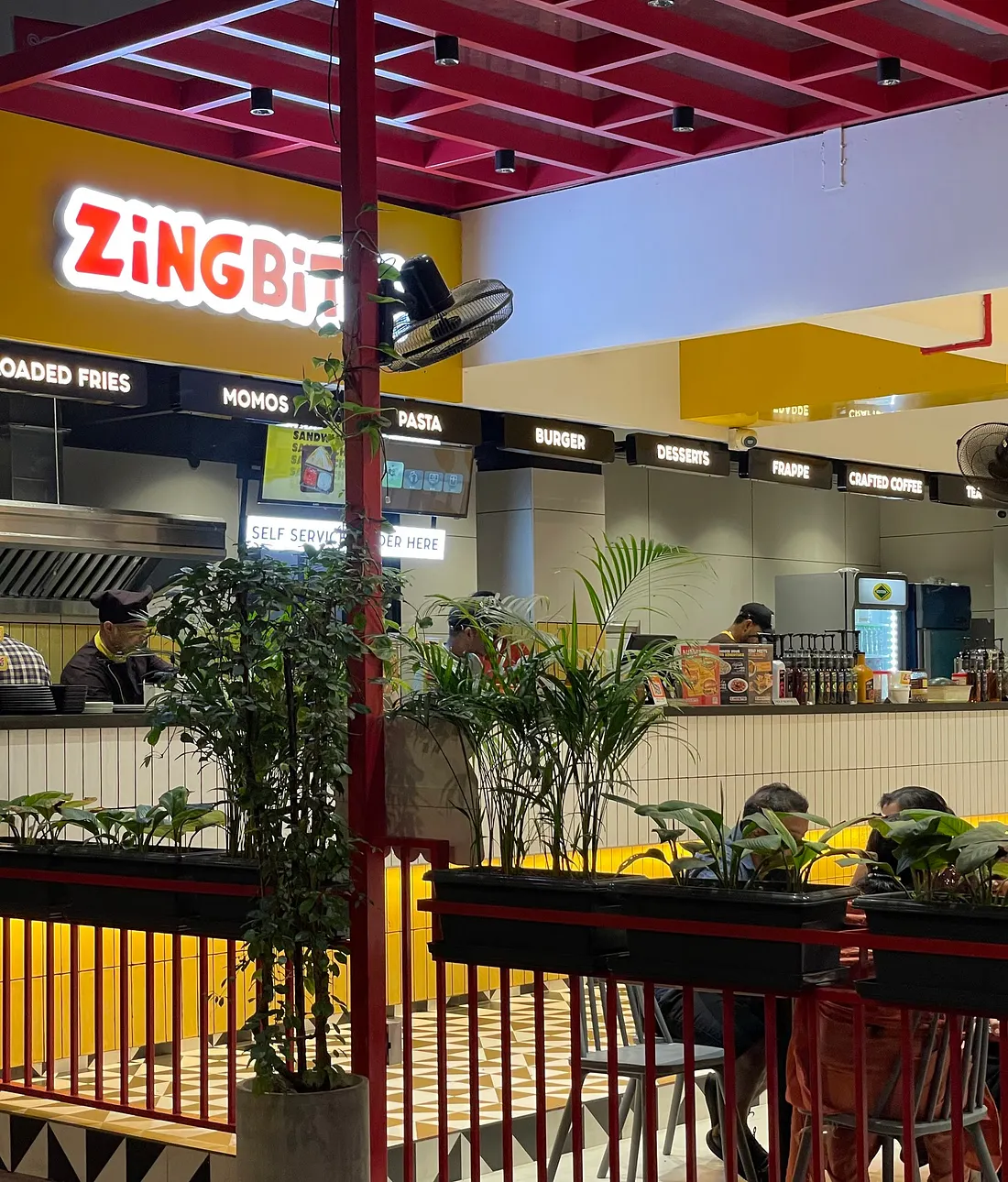
We promised this story two posts ago, so here it is.
Zing Bites is a restaurant in Kozhikode. Crowded city area, right next to the Kozhikode Medical College. They took 10 to 14 orders a day through WhatsApp ordering by day three. Today they are doing 20 to 30 a day, entirely on WhatsApp. No app. No aggregator. No other ordering channel at all.
Which is strange, because we had just finished watching WhatsApp ordering fail completely at Nila Restaurants, a 37 year old brand in another tier 2 city, whose customers ignored it and moved to the app instead.
Same channel. Same country. Opposite result. The reason why is the most useful thing we have learned all year.
The question that decides it
There is only one test that matters when you pick an ordering channel, and it is not "is this modern" or "is this what everyone else is doing." It is this:
Is this actually better than what the customer does today?
Not newer. Better. Run both restaurants through that question and the whole mystery dissolves.
Why Nila's customers said no
Nila's customers had been calling for 37 years. They would ring, speak to a human who often knew their order already, and hang up. That is a genuinely good experience. It is fast, it is warm, and it requires nothing.
Typing an order into a chat, going back and forth about what is available, never seeing a clean menu or a clear total, is not better than that. It is a sideways move with more steps. So they rejected it, and went to the app instead, which actually did beat the phone: full menu visible, clear total, saved details, reorder in two taps, no hold music.
Nila's customers were free to call. So they compared WhatsApp ordering to calling, and calling won.
Why Zing Bites' customers said yes on day three
Now look at who orders from Zing Bites. Students and doctors from the medical college next door.
A doctor on a shift cannot make a phone call. A student in a lecture or a ward cannot make a phone call. They can, however, fire off a message with one hand, in a noisy corridor, between two other things, and get on with their day.
For these customers, WhatsApp ordering is not a lateral move from calling. It is an upgrade over something they could barely do in the first place. Calling was never really available to them. Texting always was.
That is the whole answer. Same test, opposite result, because the customers' current habit was completely different.
The other things that made it work
The customer is the main reason, but four smaller factors stacked in Zing Bites' favour and are worth naming, because you can check for them in your own restaurant.
The menu is short and simple. Broast and quick food, not a sprawling fine dining card. Free text WhatsApp ordering falls apart on a big customisable menu, because the back and forth multiplies. On a tight menu, a customer can type their whole order in one line and be done.
The orders are small, frequent, and impulsive. Students and hospital staff order often, at odd hours, without much deliberation. That is exactly the behaviour a chat thread suits. It is also, incidentally, why an app would still work here eventually. But they did not need one to start.
The area is dense. A crowded city location with a short delivery radius means a message can turn into a delivered order in minutes. WhatsApp ordering only feels good if fulfilment is fast behind it.
They have their own delivery boys. Four to five of them. This is the one operators underrate most. Zing Bites controls its own fulfilment, so when an order lands in the chat, they can act on it immediately. No aggregator, no commission, no waiting for a rider to be assigned. The channel is only as good as the kitchen and the delivery behind it.
What this means for your restaurant
Do not copy Zing Bites. Do not copy Nila either. Run your own customers through the test.
Ask who your customers actually are, and what they are physically able to do when they want to order. If they are people who can comfortably pick up a phone and call you, and they already do, WhatsApp ordering has to beat a phone call, and that is a high bar. If they are people who cannot easily call, students, hospital staff, office workers in meetings, anyone whose hands and voice are busy, then WhatsApp is not competing with a phone call. It is competing with nothing, and it wins instantly.
Then check the supporting conditions. Is your menu short enough to order in one message? Are your orders small and frequent rather than large and deliberated? Is your delivery fast enough that a chat message turns into food quickly?
Say yes to most of those and WhatsApp ordering will probably work for you from the first week, exactly as it did here. Say no, and you should be looking at a different ordering channel, whatever the trend says.
The bigger lesson
Across three posts now, the same idea keeps proving itself from different angles. There is no universally correct ordering channel. The app is right for some restaurants. WhatsApp is right for others. Nothing is right for everyone.
What decides it is never the technology. It is the customer, and specifically the habit the new channel has to beat. Nila's customers had a good habit, so WhatsApp ordering lost. Zing Bites' customers had no workable habit at all, so WhatsApp ordering won in three days.
You do not choose the channel. Your customers already did. Your only job is to read them accurately, and then be able to move.
Want to find out which channel your customers actually want? Menuthere runs WhatsApp ordering, broadcasting, QR menus, and branded apps from one place, so you can start where your customers are and shift as they change.