
Daypart Kerala: One Restaurant, Two Crowds, One QR Code
A Kerala restaurant serves a puttu breakfast crowd at 7 AM and a tourist dinner crowd at 7 PM. Most still run one printed menu for both. Here is the case for daypart menus.
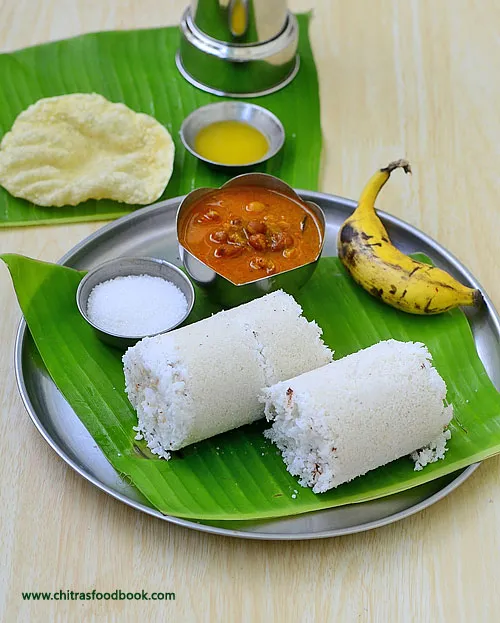
At 7 AM, the people walking into a typical Kerala restaurant want puttu and kadala curry. They know what they want before they sit down, they will spend Rs. 80 to 120, and they will be gone in fifteen minutes. By 7 PM, a different crowd entirely fills the same chairs: domestic tourists from Bengaluru, a family from the Gulf, a couple from Europe. They want to be guided. They want photos. They want to know if the karimeen is the one they saw on Instagram. They will spend Rs. 800 to 1,200 and stay for an hour.
Most Kerala restaurants hand both crowds the same printed menu.
That is the daypart problem, and it costs money in both directions: the breakfast crowd gets a cluttered card designed for dinner, and the dinner crowd gets a document optimized for people who grew up here. The fix has existed in organized chains for years. It is only now accessible to the independent Kerala operator, and it requires zero reprinting.
The two crowds are genuinely different operations
The morning crowd at a Kerala restaurant is almost entirely local. They are regulars: office goers, early risers, manual workers, school runs. Speed is the currency. They scan for idli, puttu, appam, and egg dishes. They order in Malayalam, they pay by habit, and any delay costs you loyalty. The menu for this crowd needs to be lean (eight to ten breakfast items), priced sharply, and focused on what moves between 7 and 10 AM.
The evening crowd, especially in tourist heavy cities like Kochi, Varkala, Munnar, Alleppey, and Kozhikode, is a different commercial reality. Kerala logged 25.8 million tourists in 2025, a record, growing 13 percent year over year. A meaningful and growing share of them are from the Gulf, where Middle East tourist numbers to Kerala have risen 63 percent over recent years, and an increasing number are domestic travelers from states that read Hindi, Kannada, or Tamil more comfortably than Malayalam. These guests do not know what meen pollichathu is. They want to be sold, not just informed.
Running one printed menu across both windows is a compromise that serves neither group well. The breakfast menu items confuse dinner guests. The dinner menu's length and pricing framing creates friction for the morning rush. The printed card, laminated for longevity, cannot acknowledge that the fish of the day changes or that a festival special exists this week only.
What dayparting actually means
Dayparting is a practice the restaurant industry has used for decades at the chain level. McDonald's famously used manual handcrank systems to switch from breakfast to lunch. Today, digital platforms schedule the switch automatically, no intervention required.
For an independent Kerala restaurant, the concept is straightforward: define your meal windows (breakfast 7 to 10, lunch 11 to 3, dinner 6 to 10), build a distinct menu for each, and let the platform serve the right one at the right time to whoever scans your table QR code.
The same physical QR code on every table. At 7 AM, it shows the puttu crowd their eight item breakfast with UPI pricing. At 7 PM, it shows the tourist crowd a full photographed dinner menu in the language they read, with spice indicators and the evening special. One code, zero reprints, zero manual switching, no staff intervention needed.
The revenue math behind the switch
Restaurants that can compete in multiple dayparts broaden their revenue base without adding capacity. A fast casual concept that runs an even breakfast and dinner split effectively runs two businesses in the same square footage. Weekend brunch menus, where they exist, see average order values 40 to 60 percent higher than regular breakfast service because the relaxed pace allows premium pricing and longer dwell time.
For a Kerala restaurant, the evening tourist daypart is where margin lives. Digital menus across India have been associated with 10 to 20 percent higher average check values because guests who understand what they are ordering, and are shown what it looks like, spend more. Apply that lift specifically to your highest value daypart, the dinner tourist window, and the impact compounds.
The breakfast daypart pays differently. Margin per cover is thin, but volume and speed are the levers. A lean, fast loading breakfast QR menu removes the friction that slows morning service: no guests asking for the menu, no outdated price confusion, no item not available items the server has to manage. Staff attention goes to service, not menu navigation.
Where Kerala restaurants get this wrong today
The most common approach is to never think about dayparts explicitly and let the printed menu do whatever it can. The second most common approach is to maintain a separate laminated card for breakfast items and swap it in and out manually, which means guests sometimes get the wrong card, servers forget to swap, and the "breakfast menu" is the same one from 2022 with two dishes that no longer exist.
Both approaches share the same root problem: the menu is treated as a fixed object instead of a live, time aware communication tool.
A third pattern specific to Kerala's tourist belt: restaurants let dinner menus run into late morning because "some breakfast items are still popular." The result is a menu that does neither job. Tourists at 9 AM, fresh from their homestay, stare at a full dinner card that does not tell them what is available for breakfast. They order toast and omelette by default, the blandest and cheapest thing they can identify, and the kitchen's actual morning strengths go unsold.
The daypart menu playbook for Kerala restaurants
1. Map your actual crowd windows
Spend one week noting who is sitting at your tables, and at what time. Most Kerala restaurants have a clear breakfast peak (7 to 10), a lunch lull or moderate service (11 to 3), and an evening rush (6 to 10) that looks very different on weekends and during tourist season. Identify which daypart is your highest margin opportunity and start there.
2. Build each menu for the crowd that actually shows up
Breakfast menu: eight to twelve items maximum. Bold, fast to scan, priced for regulars. No descriptions needed for puttu and kadala, your morning crowd knows the dish. Focus on what moves: puttu, idli, dosa, appam, egg dishes, chai, filter coffee. Lunch menu: fuller than breakfast, partial descriptions for items that travel (Malabar biriyani needs no explanation locally but needs two lines in a tourist town). Dinner menu: fully described, photographed, multilingual, designed to sell your highest margin dishes. Evening specials and fish of the day front and center.
3. Photograph the dinner menu specifically
Morning regulars are not visual browsers, they order by memory. Your dinner tourist crowd is. Ten to fifteen strong photos of your signature evening dishes will do more for your dinner check average than any other single change. Meen pollichathu in a banana leaf, karimeen, a full sadya if you serve it, the seafood spread. Natural light, honest plating, taken once and used all season.
4. Use a QR platform that handles the switch automatically
This is where a tool like Menuthere earns its keep. You build all three menus once inside the platform, set the time windows, and every table QR code switches on schedule. A price change at 6 PM on a Thursday? Edit once, live everywhere. The fish of the day sold out at 8 PM? Mark it unavailable from your phone in thirty seconds, and no guest at any table sees it again tonight. No reprint. No handwritten "not available" note taped to the menu.
5. Keep your seasonal specials as a fourth layer
Kerala's cuisine is deeply seasonal. Onam sadya, Christmas beef fry, monsoon specials, catch of the day driven by what the fishing boats brought in. A digital menu makes these additions trivial: create a special, set it live, remove it when it ends. The printed menu made seasonal specials a cost center. Digital makes them a revenue line.
The bottom line
A Kerala restaurant in 2026 is not really one business. It is a morning service business and an evening hospitality business running in the same building, separated by a few hours and a completely different customer. Treating them identically, with the same menu, the same framing, and the same assumptions about what the person at the table knows, is the print era's biggest legacy problem.
One QR code, scheduled to serve the right menu to the right crowd at the right time, is a weekend of setup against a season of compounding returns. The organized restaurant chains have run daypart strategies for decades because the math is unambiguous. That advantage is now available to the independent Kerala operator for the first time, without a franchise fee and without a POS upgrade.
Switch menus, not laminate. Menuthere lets you set up breakfast, lunch, and dinner menus that switch automatically on schedule, with a single QR code on every table.
Sources: Kerala Tourism arrival statistics 2025, Gulf News Kerala Middle East tourism data, QSR Magazine daypart strategy, restaurantware.com daypart profitability analysis, Restroworks Indian restaurant industry statistics 2025.