
Fiber Is the New Protein. Here Is What That Actually Means for Your Menu in 2026
Fiber is overtaking protein as the nutrient diners scan menus for. Here is the 2026 data, why breakfast wins the trend first, and how operators should update their menus.
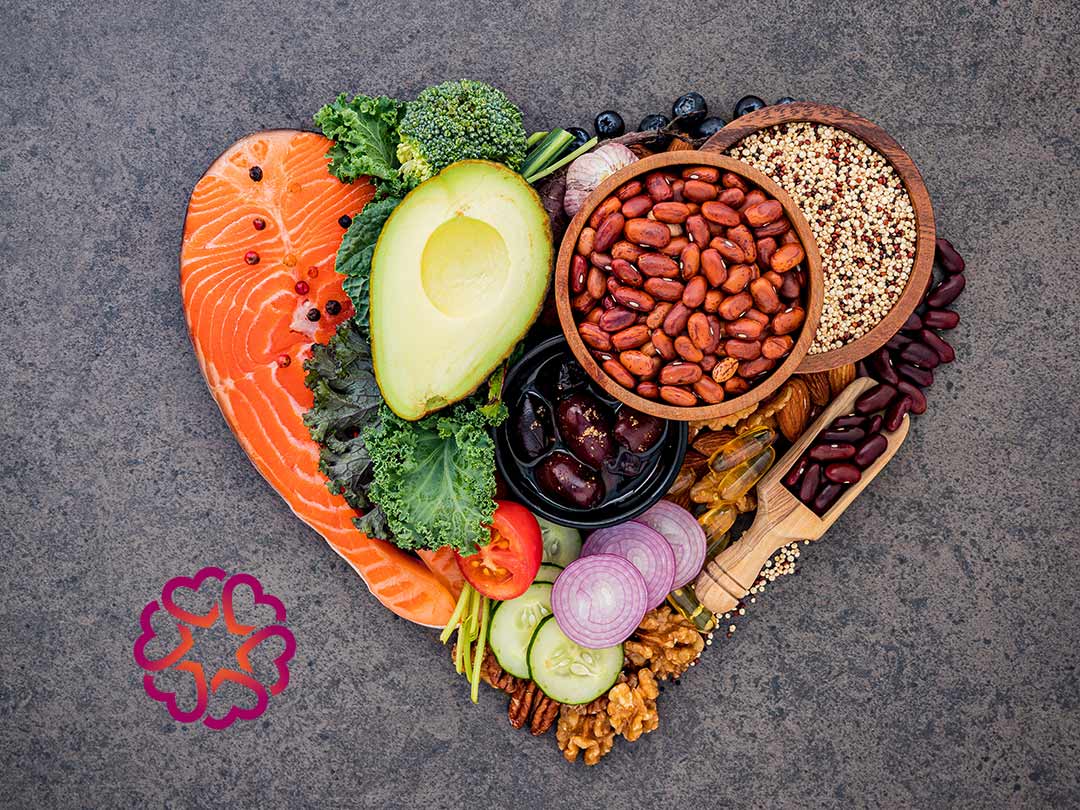
For most of the last five years, the loudest nutrient on American menus was protein. Bowls loaded with 40 grams of it. Wraps rebranded as "Protein Pockets." Chipotle selling small cups of chicken as a standalone snack. Forty percent of diners said they were willing to pay more for high protein items, and nearly half said they would switch restaurant brands to get them.
That era is still going. It is just no longer the only game on the menu.
According to Revenue Management Solutions' 2026 Protein and Fiber Playbook, 45 percent of American adults now say they sometimes, often, or always look for high fiber options on a menu. 41 percent say they are likely to order from a fiber rich menu section if one exists. 30 percent say they will choose a specific dish because it is high in fiber. 25 percent say they are willing to pay more for a fiber forward meal.
The Datassential 2026 trends report, built on input from 350 operators and 1,000 consumers, put it plainly: fiber is positioned to overtake protein as the next big health callout. PepsiCo CEO Ramon Laguarta told Business Insider, in his own words, that fiber will be the next protein. McDonald's CEO Chris Kempczinski has said the same on earnings calls. EatingWell reported a 9,500 percent increase in page views on articles mentioning fiber in a single year.
This is not a marginal wellness blip. It is a second wave of the same shift that protein rode in on. And the operators who win it will not be the ones who run the most on trend LTO. They will be the ones who update their menu surface fast enough to keep up.
What the data actually says
Start with who is driving this.
Approximately one in eight American adults are currently taking drugs from the GLP class of weight loss medications, including Ozempic, Wegovy, Mounjaro, and Zepbound, according to a November KFF poll cited by CNBC. Those customers eat smaller portions and want more nutrition per bite. Protein was the first thing they reached for, because the drugs can cause muscle loss. Fiber is the second, because fiber supports the same satiety effect the drugs trigger.
But the trend is not limited to GLP users. In a survey by the Acosta Group reported in Restaurant Business Online, 48 percent of Gen Z and Millennial consumers said they were actually dining out more in 2026, not less. They are just ordering differently. 42 percent said they were sharing entrees more often. The common thread across all of these behaviors is simple: diners want to know exactly what is in the food before they commit.
Now layer on the daypart data. According to the RMS survey published in Nation's Restaurant News, 49 percent of consumers associate breakfast most closely with high fiber eating. Only 16 percent associate it with lunch, and 16 percent with dinner. That is not a rounding error. That is a signal about where fiber earns its biggest return on menu real estate.
Why the fiber wave is different from the protein wave
Protein maxxing was about abundance. Bigger portions, more grams, louder callouts on the same dish.
Fiber is about transparency.
You cannot see fiber on a plate. It does not photograph well. It does not sizzle on the pass. What it has going for it is that consumers trust numbers more than they trust words, and fiber is a number they have recently learned to look for. Whole Foods' 2026 trend forecast predicted a surge in fiber forward callouts on packaging. The restaurant menu is the next surface it lands on.
That is why this trend favors operators who can label precisely. "High in fiber" is table stakes. "12 grams of fiber, 8 grams of it prebiotic" is what earns the order.
Where operators are getting it wrong
Three common mistakes we are already seeing in the field.
The first mistake is treating fiber as a plant based rebrand. It is not. Animal proteins are having their own comeback year, with consumers describing meat as more natural and craveable than plant alternatives in the Datassential data. A roasted chicken bowl with beans, farro, and kale hits fiber targets without pretending to be a vegan dish. Mislabeling the trend as "we need more plant based items" misses the opportunity.
The second mistake is hiding fiber in the small print. A dish that is naturally high in fiber is not doing any work for the restaurant if the menu does not say so. In the current consumer mindset, if a dish does not call out the number, the dish might as well not have it.
The third mistake, and the most common one, is running fiber as an LTO. A gut friendly bowl promotion that runs for two weeks and then disappears is the fiber trend equivalent of putting one flat screen TV in a sports bar and calling it a sports bar. This is a menu architecture change, not a marketing campaign.
The fiber menu playbook for 2026
Six moves operators should make in the next 60 days.
1. Audit your existing menu for fiber you already have
Before you add anything, look at what is already on the plate. Rice and bean bowls, oat forward breakfast items, whole grain wraps, any dish with a significant legume or vegetable base. Count the grams. You will almost certainly find 3 to 6 existing dishes that qualify as high fiber today. That is your launch inventory.
2. Add the number to the menu, not just the adjective
Consumers trained by packaged goods labels want grams, not vibes. "High fiber" is weaker than "14g fiber." Call out the number on every dish where it earns a slot. This is the single highest return move on the list.
3. Build a dedicated fiber section on your menu
41 percent of the RMS respondents said they are likely to order from a fiber rich menu section if one exists. Not a badge on the side. A section. The same way you would build a Plant Forward section or a Kids Menu. Give it its own header, its own copy, its own set of items.
4. Let the menu change by daypart
Here is where the surface itself becomes the bottleneck. Breakfast is where 49 percent of your customers expect fiber to live. Dinner is where they expect something else. A paper menu cannot serve both audiences without a second print run. A digital menu can. This is exactly the problem Menuthere was built for: a single menu surface that shows a fiber led breakfast section at 8 a.m. and a protein led dinner section at 7 p.m., with the same operator controlling both from one dashboard. No reprints, no stale callouts.
5. Pair fiber with protein, do not choose between them
The strongest 2026 menu items will do both. A 30 gram protein bowl that also hits 12 grams of fiber reads as "complete" to the modern macro focused consumer. The Kroger 2026 forecast flagged this pairing specifically. Restaurants should be thinking in macro stacks, not single nutrient claims.
6. Update your nutrient callouts on a weekly cadence
The fiber trend is moving on social feeds measured in days. Your menu cannot move on a cycle measured in months. Whichever surface you use, commit to a weekly review of which callouts are on, which are off, and which dishes need new language. Every day a popular dish sits on the menu without its fiber number listed is a lost margin opportunity.
The bottom line
The fiber shift is not really about fiber. It is about how modern diners read menus. They expect data. They expect precision. They expect the restaurant to meet them in the vocabulary they already use on their phones.
Protein maxxing was the rehearsal. Fiber is the confirmation. Whatever comes after fiber, and something always comes next, the operators who win will be the ones whose menu surface can keep up with the pace of consumer knowledge.
The demand is already there. 45 percent of adults are scanning for it. 25 percent will pay more for it. Nearly half of them want it at breakfast. What separates the operators who capture that from the ones who watch it pass is not the recipe. It is the menu.
Update your menu as fast as your customers update their expectations. Menuthere is a digital menu platform built for operators who want to add nutrient callouts, swap daypart menus, and test new sections without waiting for a print cycle.
Sources: Revenue Management Solutions 2026 Protein and Fiber Playbook, Datassential 2026 Food and Beverage Trends report, Johns Hopkins Center for a Livable Future, Nation's Restaurant News, Restaurant Business Online, CNBC, Food Business News, Kroger 2026 Trend Forecast.