
How to Build a GLP-1 Friendly Menu Without Breaking Your Menu
12 percent of Americans have used a GLP-1 drug and protein consumption is up 65 percent among users. Here is how to rebuild your menu for the new appetite without bloating it.
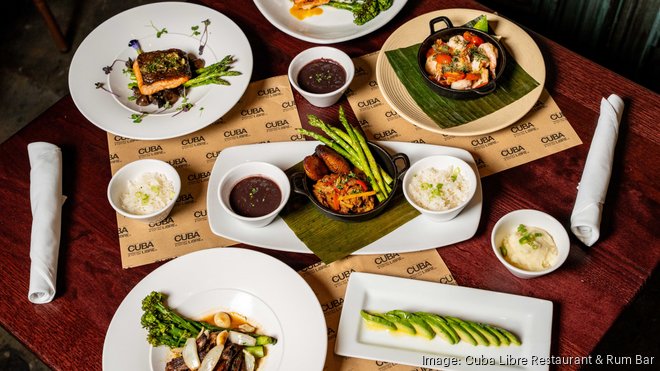
By the end of 2025, roughly 12 percent of all Americans had used a GLP-1 drug for weight loss, and the national obesity rate fell for the first time in a decade. That is not a diet trend. That is a structural change in how a meaningful share of your guests order, how much they eat, and what they walk out willing to pay for.
Among GLP-1 users, protein consumption is up 65 percent, fruit and vegetable consumption is up roughly 80 percent, and snack consumption has dropped 40 to 60 percent, according to consumer research summarized by Marriner Marketing in February 2026. On the brand side, the dominoes are falling fast. McDonald's revamped 17 menu items in April 2026 to reflect the shift. Olive Garden added a smaller portions section for 2026. The Cheesecake Factory is leaning harder on its 500 calorie Skinnylicious tier. Smoothie King rolled out a GLP-1 tailored menu of high protein, zero added sugar drinks. P.F. Chang's and Clinton Hall introduced mini meals. El Pollo Loco rebranded its existing menu as a Protein Packed Menu.
Two patterns jump out of that list. The chains that have moved first are not reinventing their menus. They are either rebranding what was already there (El Pollo Loco), adding a parallel section (Olive Garden, Cheesecake Factory), or launching a narrow tailored line (Smoothie King). None of those moves are wrong. All three have a ceiling.
The operators who will pull ahead in 2026 are the ones who stop thinking about GLP-1 guests as a separate section and start thinking about their menu as data.
The appetite has actually changed, not just the intent
It is tempting to treat this as another "healthy options" trend and move on. The underlying numbers say otherwise.
Revenue Management Systems, in research cited by TheStreet in April 2026, called out protein demand and fiber interest as the two forces now actively moving traffic, check size, and brand switching. Casual dining is the segment seeing the largest increase among weight loss users, per Food Institute coverage from late 2025.
IGD's 2026 Away From Home report sharpens the point further. It predicts that hospitality venues are unlikely to launch major dedicated GLP-1 menus but will steadily fold targeted dishes into mainstream menus that serve both users and non users. That is the right call. The guest does not want to be segregated into a special section. They want to find what fits their macros inside the menu they already know.
The data also shows what happens to check size if you do nothing. GLP-1 users report ordering fewer sides, fewer appetizers, and less alcohol on the same visit. The visit frequency is mostly holding. The ticket is not. If your menu does not give the GLP-1 guest a confident, higher margin core item to build around, you lose the attach every time.
Where operators are going wrong
Three common mistakes are already visible in the market.
The first is the bolted on section. A new "Lighter Fare" tab at the bottom of the menu. It signals the restaurant is paying attention. It does not actually help a guest who wants to filter across every protein on the menu to find the 35 gram option. The section is an answer to a question the guest did not ask.
The second is the pure rebranding play. Take existing items, add a macro badge, call it a protein menu. This works as marketing for one cycle. It does not work as merchandising, because the items are still buried in the same place and photographed the same way.
The third and most damaging is menu bloat. Operators add five new smaller portion items, four new high protein items, three new low carb items, and suddenly the menu is 25 percent longer. A longer menu is the wrong response to a consumer who is actively trying to simplify their decision.
None of the first movers have gotten this right yet. That is why the window is open.
The GLP-1 menu playbook for 2026
1. Treat every item as a set of attributes, not a description
Every dish on the menu should carry structured tags: total protein grams, fiber grams, net carbs, calorie band, portion size variant, cook time, modifier compatibility, and margin tier. If your menu lives as a PDF or a printed laminated card, you cannot do this. A digital menu stores the attributes natively. Every other move in this playbook depends on it.
2. Offer portion variants on existing bestsellers, not new SKUs
The highest leverage move most operators are missing is letting guests pick a portion size on dishes you already make. Half plate, full plate. Three ounce, five ounce, seven ounce protein. Small bowl, regular bowl. You do not need new recipes. You need variable pricing and clean modifier logic. Sarah Marie Cole, cofounder of MyCompanionBox, predicted in late 2025 that portion icons and variable pricing would become standard menu conventions through 2026. The operators who get there first avoid the bloat problem entirely.
3. Let guests filter by what they actually care about
The GLP-1 guest is not looking for a section. They are looking for a constraint. High protein under 500 calories. Under 20 grams of carbs. More than 30 grams of protein. Filterable menus turn an overwhelming 60 item list into a three item shortlist built for the guest in front of you. A print menu cannot do this. A well built digital menu is the cleanest way to deliver it. Menuthere is one of the platforms built for exactly this, with attribute tagging and filter logic baked into the item model.
4. Merchandise the protein, not the calorie count
The brands getting this right are leading with what the guest wants (protein, satiety, macros) rather than what the guest is avoiding (calories, carbs). El Pollo Loco did not launch a low calorie menu. They launched a Protein Packed Menu. Same dishes, different framing. Lead photos should show the protein. Descriptions should put the grams up front. The tone should be positive and performance oriented, not restrictive.
5. Protect check size with high margin add ons for smaller appetites
GLP-1 guests are ordering fewer sides and fewer drinks. The operators protecting their ticket are replacing volume attach with margin attach. A premium protein add on. A functional beverage. A small format shareable. The menu should surface these options specifically when a smaller portion or lighter main is selected, not at the end of the meal as an afterthought.
6. Re merchandise in an afternoon, not a reprint cycle
The GLP-1 conversation is moving fast. New research, new drugs going off patent, new consumer data every month. The operators who win are the ones who can change what their menu emphasizes in hours, not weeks. If re merchandising your menu requires a print vendor and a four week reset, you have already lost the tempo. A digital menu system should let you rearrange the visual hierarchy, push a new filter to the top, or promote a new protein LTO the same day.
The bottom line
The GLP-1 era is not a healthy eating trend. It is a shift in how roughly one in eight of your guests actually wants to order, with another third of the country interested in trying. The appetite has changed. The attach rates have changed. The check composition has changed.
The brands that capture this shift are not launching a GLP-1 menu. They are rebuilding what their menu knows about itself so every guest, GLP-1 user or not, can navigate it on their own terms. Portion variants. Attribute tagging. Real filters. High margin attach tied to lighter mains. Fast re merchandising.
Printed menus were never going to flex fast enough for this. The operators who figure out the digital menu layer first will spend the next 18 months taking share from the ones still adding sections.
Ready to turn your menu into a filterable, attribute tagged, portion aware surface? Menuthere lets you tag every item, surface portion variants, and re merchandise across locations in an afternoon.
Sources: Yahoo / Tasting Table / AOL (March 2026), TheStreet (April 2026), Restaurant Business Online (March 2026), Food Institute (November 2025), Marriner Marketing (February 2026), IGD Away From Home 2026, Food Ingredients First (January 2026).