
The GLP-1 Menu Paradox: Why Smaller Portions Are Winning But "GLP-1 Menus" Are Losing
New 2026 research shows 58.5% of diners want smaller, protein-forward menu items, but 37.4% reject anything labeled "GLP-1-friendly." Here's the menu design playbook.
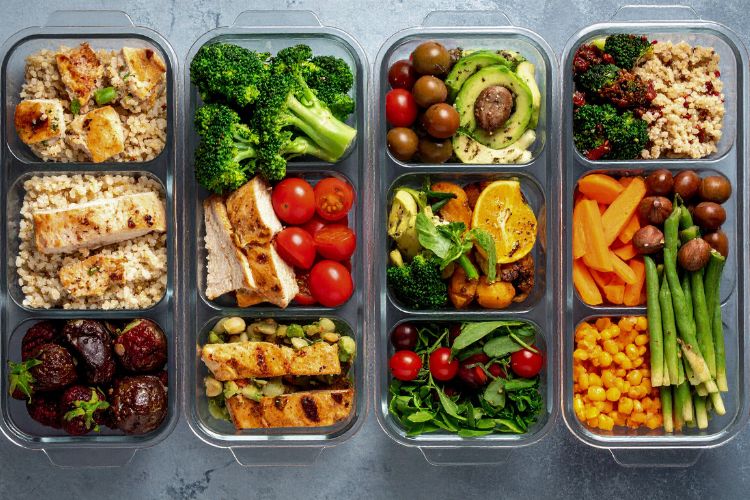
In a Curion study of more than 8,500 U.S. consumers released in March 2026, 58.5 percent said they would likely order smaller, protein forward versions of popular menu items if offered. In the same study, 37.4 percent said they want nothing on a menu labeled "GLP-1 friendly." That gap is the entire story of restaurant menu design in 2026.
Even more telling: 24 percent of current GLP-1 users say they regularly order off the kids' menu just to get a portion that matches their appetite. That is not a wellness trend. That is operators leaving margin on the table because their menu was not built for the demand sitting in front of them.
The shift is no longer niche. By 2025, 12 percent of all Americans had used a GLP-1 drug for weight loss, and 35 percent of all restaurant consumers (medicated or not) said they were ordering smaller portions for health reasons, per Circana. The behavior is mainstream. The labeling is the problem.
The data nobody's pricing in yet
Most coverage of GLP-1s in restaurants frames the story as a threat. Smaller appetites, fewer add-ons, lower checks. The Curion data flips that framing. The 58.5 percent who want smaller portions do not all want to spend less. They want to spend the same on a higher quality, higher protein, smaller build. Chipotle's high protein cup of chicken is the cleanest example. Around the price of a latte, 32 grams of protein, no discount, full margin. CEO Scott Boatwright described it on the chain's Q4 call as "a value play without any discount."
Olive Garden added seven smaller portion dishes in late 2025. Shake Shack rolled out a Good Fit menu of lettuce wrapped builds. Subway launched Protein Pockets. Chipotle put a high protein menu on the main board. P.F. Chang's added smaller entree sizes. The common thread is portion architecture, not GLP-1 marketing.
The operators losing here are the ones whose menus still offer one size of every entree, no protein add ons, and no half builds. Their P&L is being quietly drained by guests who order less, share more, or migrate to chains that figured this out first.
Why the labeling backfires
Curion's research surfaced a strict consumer hierarchy of what works on a menu. Flexible portion sizes (39.2 percent), protein first framing (28.0 percent), and smaller indulgent options (23.5 percent) all rated highly. Explicit "GLP-1 friendly" labeling rated 9.1 percent.
That is not a margin of error gap. That is a near total rejection of the medical framing in a hospitality setting.
The reason is simple. Going out to eat is a social act. Diners do not want to disclose a medication choice to a server, a date, or a table of friends. They want the option to order a smaller, smarter build without announcing why. Operators who treat GLP-1 as a marketing category instead of a design category force diners to opt into a label they do not want. Operators who treat it as a portion architecture problem give the same diner a frictionless way to order what they actually need.
The Curion research backs this up at the broadest level: 56.9 percent of consumers who say they will never use GLP-1 medications are still interested in smaller, protein forward menu options. The market for this menu shape is roughly five times the size of the medicated market. Designing for the medicated cohort alone is leaving the bigger audience uncatered to.
Where operators go wrong
Three patterns show up repeatedly in restaurants that have not yet adapted.
The first is the labeled section. A separate "GLP-1" or "Lighter" subsection on the menu boxes the trend into a corner of the layout that 37.4 percent of diners actively avoid. The mainstream majority who want a smaller portion of the regular dish never sees the option.
The second is the kids' menu workaround. When 24 percent of GLP-1 users routinely order off the kids' menu, the restaurant is selling its lowest margin builds to a willing-to-pay-more cohort. Operators are training their highest intent guests to order down.
The third is the printed menu lock in. Even operators who want to add half builds, protein add ons, or smaller portion options often delay because reprinting menus for every location is expensive. So the menu stays static while the demand keeps shifting. Six months pass. A year passes. The chain across the street rolls out a high protein bowl and captures the trade up.
The portion architecture playbook
1. Add half and full builds to your top five sellers, not a separate section
Pick the five highest velocity entrees on your menu. Add a smaller version of each, listed inline with the full size. Same dish, two portions, two prices. No "lighter" label. No separate section. The 58.5 percent who want a smaller build will find it. The diners who want the full version will not feel demoted.
2. Lead with protein grams, not calorie counts
Curion's data is unambiguous: protein first framing rates 28.0 percent. Calorie counting and diet labeling rate near zero. Surface protein grams next to the dish name where it makes sense. "Grilled chicken bowl, 38g protein" reads as quality and value. "Grilled chicken bowl, 480 cal" reads as restriction.
3. Sell protein as an add on, not a configuration
Most POS systems can handle a flat fee protein add on. Most printed menus cannot show one cleanly. Diners who want to upgrade a salad, bowl, or side with an extra serving of chicken, steak, shrimp, or eggs will pay a premium for the option. Make it a visible line on the menu, not something the server has to explain.
4. Move the menu to a surface you can change weekly
The chains winning this trend (Chipotle, Shake Shack, Olive Garden, Subway, P.F. Chang's) all operate at a scale where menu changes are an enterprise project. For independent and mid-size operators, that scale is the disadvantage to flip. A digital menu lets you test a smaller portion option, watch the attach rate for a week, and either keep it or pull it without a single reprint. Menuthere is built for exactly this kind of fast portion architecture iteration. Test a half size. Adjust the protein callout. Move the smaller build higher in the visual hierarchy. Watch what works.
5. Reorder the visual hierarchy around the new top sellers
When a smaller, protein forward build starts to outsell the full version (and at chains like Olive Garden, lighter portion items already drive 25 percent of certain category sales), it deserves the position on the menu that reflects that. Photo treatment, position, and modifier defaults all need to follow the data. Static menus do not.
6. Stop putting GLP-1 in the language
No section name should say "GLP-1." No callout should say "weight loss friendly." No marketing copy should reference the drug class. The portion is the product. The protein is the value. Let the guest read what they need without having to opt into a label.
The bottom line
The GLP-1 paradox is not really about GLP-1. It is about a permanent shift in what mainstream diners want from a menu, layered on top of a medical trend that gave it a name. Smaller portions. More protein. Less complexity. No labels. The 58.5 percent who want this build today will be 70 percent of the market in three years. The operators who have already moved to a menu format that can adapt to the data are pulling ahead now. The ones still printing the same trifold they printed in 2023 are not.
The portion architecture is the strategy. The digital menu is the surface that lets the strategy actually ship.
Ready to redesign your menu around the demand that already exists?
Menuthere is the digital menu platform built for fast portion testing, protein first merchandising, and menu changes that go live the same day you decide.
Sources: Curion Insights GLP-1 Menu Paradox study (March 2026), Restaurant Business Online (March 2026), NBC News (January 2026), Tasting Table (March 2026), Circana data via Restaurant Business, National Restaurant Association 2026 What's Hot Forecast.