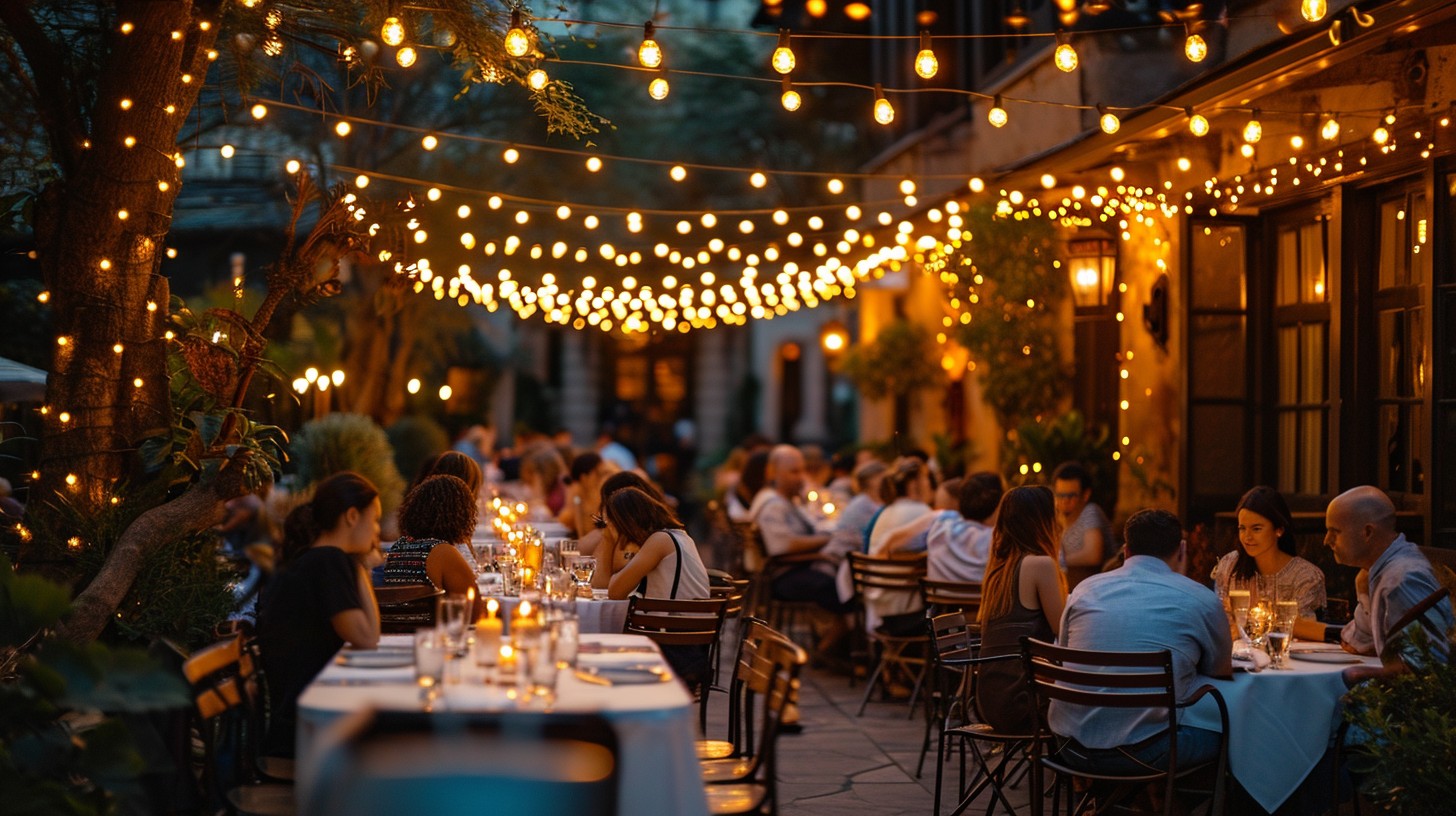
While most restaurant operators have spent the last two years obsessing over breakfast and lunch, the real growth story has been hiding after dark.
According to fresh analysis from McKinsey and Santiago & Company, late night dining at limited service restaurants has grown more than 10 percent annually since 2021, outpacing every single other daypart. Breakfast, once the darling of quick service expansion plans, has moved in the opposite direction. It fell nearly 9 percent in mid 2025 before a partial recovery and now lags behind every other part of the day.
If you run a restaurant and you're still closing your kitchen at 9 p.m., you're walking away from the industry's fastest growing revenue pool. Here's what the data shows, why it's happening, and a practical playbook to capture your share.
The numbers: late night is the only daypart winning right now
The story across the restaurant sector in 2026 is uneven. The National Restaurant Association projects total industry sales of $1.55 trillion this year, with real inflation adjusted growth of just 1.3 percent. Black Box Intelligence data found that only about one in three tracked brands posted positive comparable sales in 2025. Consumers haven't stopped dining out. They've gotten pickier about when and where.
Within that flat overall picture, the daypart map has been redrawn:
Late night LSR sales are growing 10%+ annually since 2021 (McKinsey)
Breakfast QSR fell nearly 9% in mid 2025 and is still recovering (Santiago & Company)
Lunch and dinner remain core revenue drivers, but momentum is cooling
Mexican LSR is the only segment with rising year over year purchase frequency
Late night is the standout. Everything else is defending.
Why late night is winning
Three consumer forces are converging after 9 p.m.
1. Shifting work and sleep patterns. Remote work, gig schedules, and flexible hours have unbundled the traditional dinner window. "Snackification," where snacks replace or bridge meals, means more people are hungry at non traditional times.
2. Younger diners treat late night as social occasion. Gen Z and younger millennials increasingly view going out for food as an experience and a social anchor. Late night fits the vibe: less formal, more spontaneous, often combined with a bar scene or a post event stop.
3. The value math works late at night. As QSR prices have crept up and narrowed the gap with casual dining, consumers are more deliberate about when a trip out is "worth it." Late night, when options are limited and craving is high, wins the value per dollar calculation by default.
The result is a daypart where demand is rising and competition is still thin. That's a rare combination in a maturing industry.
Where operators go wrong with late night
Before the playbook, a few patterns that kill late night economics:
Running the full dinner menu. High SKU count means prep waste, slower tickets, and lower margins when volume is lower than peak dinner.
Understaffing the front of house. Late night customers arrive in clusters, not a steady flow. Skeleton crews mean long waits and bad reviews.
Ignoring the beverage mix. Late night is disproportionately beverage driven. A menu that doesn't merchandise drinks leaves money on the table.
Static printed menus. A printed dinner menu at 11 p.m. advertises items the kitchen won't make and hides what you actually want to sell.
The late night menu playbook
Here's what the operators capturing this growth are actually doing.
1. Build a tight, margin focused late night menu
Don't run your full dinner menu after 10 p.m. Identify 8 to 15 items that meet three criteria: high margin, fast ticket time, and shareable or indulgent in character. Think loaded fries over elaborate entrées. Smashed burgers over precision plated dishes. The McKinsey analysis flags protein forward menus, late night service expansion, and affordable entry points as the three growth levers operators should lean into. Late night is where all three intersect.
2. Lean hard on beverage margin
Beverages are the restaurant industry's margin story in 2026. Major chains are rolling out premium drinks because they're high margin hits that don't add operational complexity. Late night amplifies this. Alcohol attach rates are higher, and the sober curious movement (40% of US consumers are now following a low or no alcohol lifestyle at least occasionally) has opened a second beverage category with strong margins: mocktails, zero proof cocktails, and premium non alcoholic pairings. Build a late night beverage section that's visually prominent and well merchandised.
3. Price for the occasion, not the daypart
Late night diners are less price sensitive than lunch diners. They're out, they're committed, they're often post event or pre going home. That doesn't mean gouge them. It means you can build higher margin combos and shareables that diners will happily pay for because the alternative at 11 p.m. is "nothing."
4. Make your menu switch automatically
This is the operational piece most operators miss. If you have a printed menu, it advertises items that are no longer available and hides the tighter late night offering you've actually built. Your menu needs to change at 10 p.m., and change back at open the next morning, without anyone in the restaurant touching it.
A digital menu that auto switches by time of day does this in one setting. Morning menu, lunch menu, afternoon menu, dinner menu, late night menu. Each one surfaces what you actually want to sell in that window, hides what you don't, and keeps your staff from having to field questions about 86'd items. Menuthere is built exactly for this. Operators can set daypart specific menus once and let the system handle the switching.
5. Merchandise the late night experience visually
Late night diners are heavily mobile native and photo driven. Your menu should look like it belongs in the same visual universe as the Instagram posts your customers scroll before they walk in. That means photos of the actual dishes, clear modifiers, and prominent placement of your highest margin shareables and drinks.
6. Staff for the pattern, not the hour
Late night traffic tends to arrive in bursts: post concert, bar close, shift change. Build your staffing and kitchen capacity for peak bursts, not for an even distribution across the late night window. One well designed late night shift with a tight menu and a strong beverage program can outperform three loosely run dinner hours.
The bottom line
Late night is the single clearest growth opportunity in the restaurant industry right now. The consumer demand is there. The competition is still thin. The margins are strong. The one thing most operators are missing is the operational layer that makes running a distinct late night menu actually easy, not a manual, every night chore that breaks the moment the shift gets busy.
Fix that, and late night stops being a stretch. It starts being the daypart that carries the rest of your P&L.
Ready to run a late night menu without the operational headache? Menuthere's digital menu platform lets you set menus that has the right offering always in front of your customers. No reprints, no confusion.
Sources: McKinsey "What US consumers want from restaurants in 2026"; Santiago & Company "The Top Restaurant Industry Trends for 2026"; National Restaurant Association 2026 State of the Restaurant Industry report; Black Box Intelligence; Prepared Foods 2026 trends analysis.